
Ultimate Travel Guide for Booking Tsavo National Park Safaris
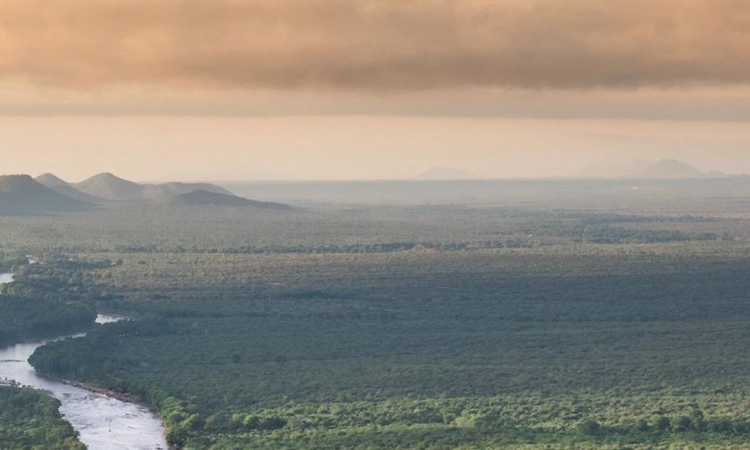
The Tsavo East and West National Parks make up Kenya’s largest conservation area, the Tsavo Conservation Area (TCA), which covers up to 21,000 square kilometers of land.
It consists of two vast protected areas: Tsavo East National Park and Tsavo West National Park. These two beautiful parks are separated by the Nairobi-Mombasa highway.
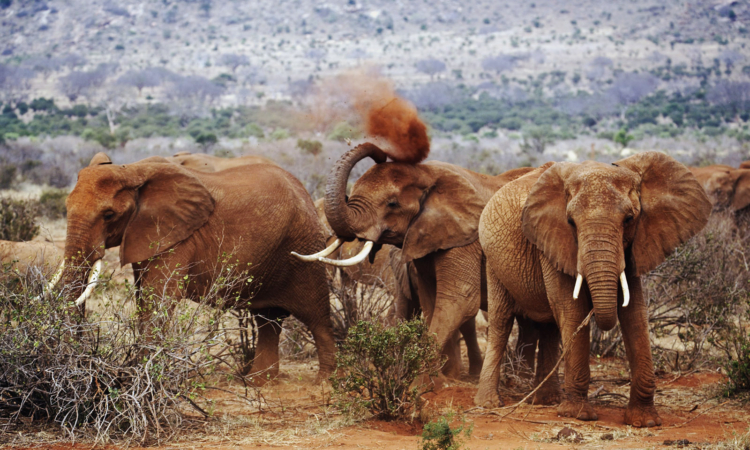
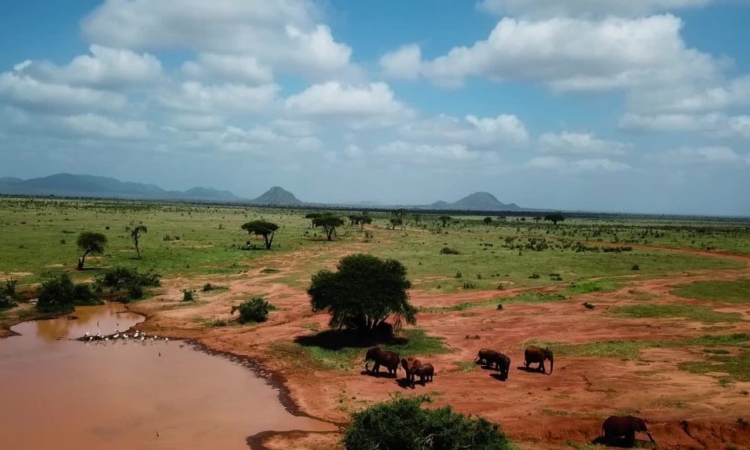
The Tsavo Conservation Area is renowned for its authentic wilderness and is an iconic destination to see the red elephants in the wild. Due to its strategic location, safaris in Tsavo National Park can be combined with trips to Amboseli National Park and other coastal tourist sites in Kenya, offering a rewarding bush and beach experience. From the coast, Tsavo National Parks are less than 100 kilometers away.
The two Tsavo National Parks remain among the least developed of the many national parks Kenya boasts. Although wildlife viewing is exceptional, few visitors include it in their packages, yet it offers a distinct, authentic wilderness experience with fewer crowds compared to the famous Masai Mara National Reserve and Amboseli National Park.
About Tsavo East National Park
Tsavo East National Park covers over 13,700 square kilometers of land, making it a vast protected area, about nine times larger than the Masai Mara National Reserve, the famous destination for witnessing the wildebeest migration. Tsavo East is a unique destination with beautiful scenery and exceptional attractions such as the Mudanda Rock and the Yatta Plateau, the longest lava flow on Earth.
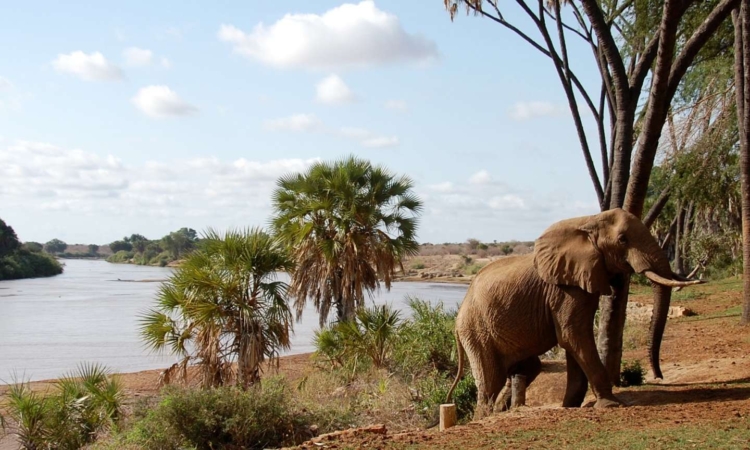
Unlike Tsavo West, Tsavo East is an incredible destination with a huge population of red elephants, which can be seen dusting themselves with the distinctive red-oxide soil typical of Tsavo. Besides red elephants, the park also protects desert warthogs, Peter’s gazelles, and the hirola, also known as Hunter’s hartebeest.
About Tsavo West National Park (9,065 sq. km)
Tsavo West, established in 1948, is largely wooded and hilly, shaped by its volcanic history and characterized by black rock formations. Most accommodations are concentrated in the northern part of Tsavo West, but it is generally a splendid park with rocky landscapes, scenic grasslands, and thick vegetation.
While on a safari here, a visit to Mzima Springs is a must, although the park does not offer the best game viewing experience compared to others.
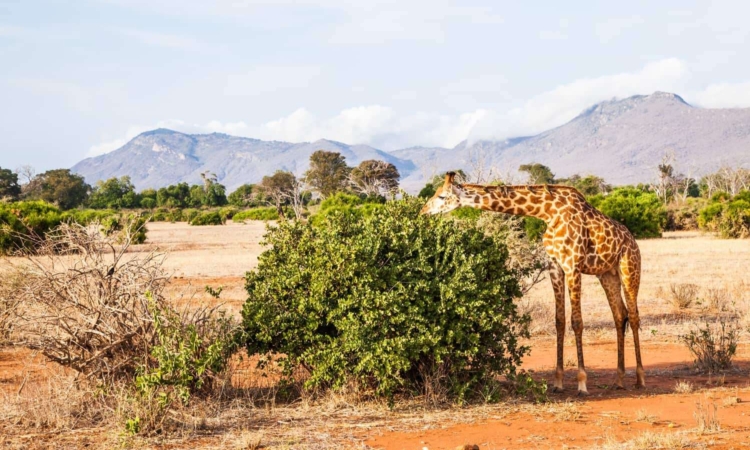
You will have the chance to see Maasai giraffes, fringe-eared oryx, and klipspringers more clearly than in Tsavo East National Park.
Location
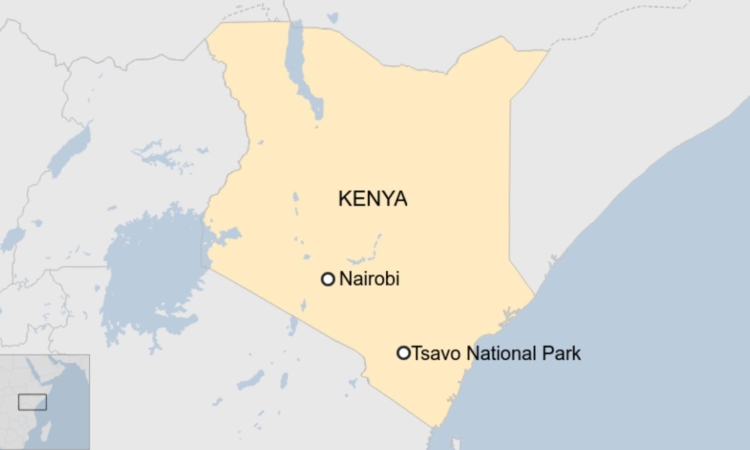
Tsavo East and West National Parks are located between the cities of Nairobi and Mombasa in Kenya. The two parks are separated by the Nairobi-Mombasa highway and extend towards the Tanzanian border.
History
The history of Tsavo National Park dates back to 1949 when it was gazetted as a wildlife refuge under Kenya’s colonial government. It was an excellent place for wildlife safaris in Kenya but was sparsely populated by humans. The region is largely arid, unsuitable for farming, and was infested with tsetse flies.
At its peak, Tsavo was home to a large population of elephants and rhinos. Over 45,000 elephants thrived within the 16,000 square miles of the Tsavo ecosystem, along with about 8,000 black rhinos.
Unfortunately, human activity deprived the elephants of their habitat, turning much of the area into open grassland that favored grazing species over large browsers like rhinos and elephants. As a result, the elephant population began to decline, with many dying naturally in the early 1970s, especially the females.
In addition to habitat changes, poaching became rampant, further impacting the elephant population. Today, about 11,000 elephants remain in the Tsavo ecosystem compared to the original 45,000. Rhinos now thrive in fenced sanctuaries.
Tsavo National Park derives its name from the Akamba word “Tsavo,” meaning “slaughter.” The Akamba people were the first to migrate to the area before the arrival of the infamous man-eaters of Tsavo.
Wildlife/Animals
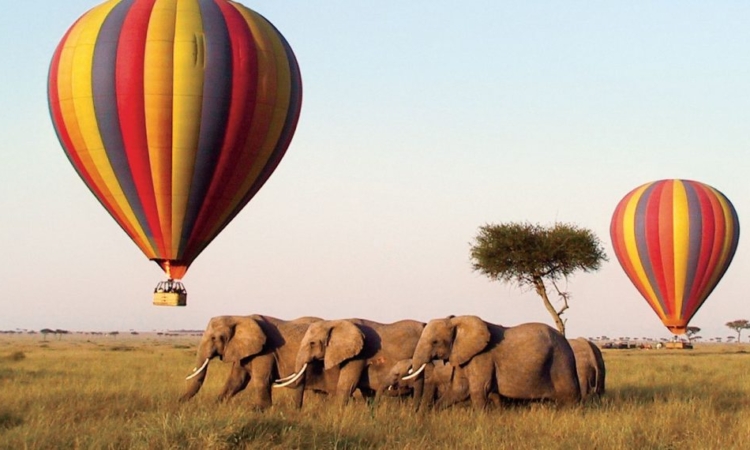
Tsavo East and West National Parks are home to a large concentration of wildlife. They are particularly known for their elephants, which are often covered in red dust.
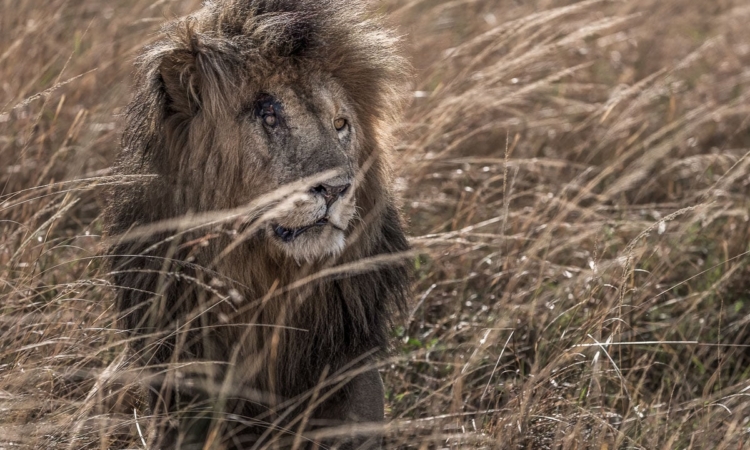
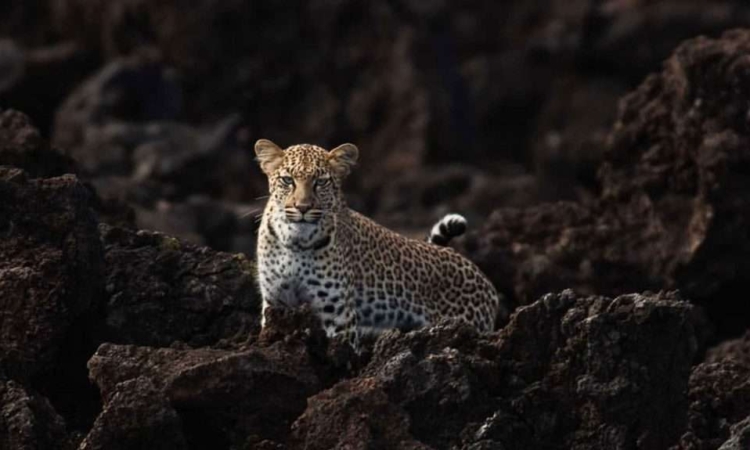
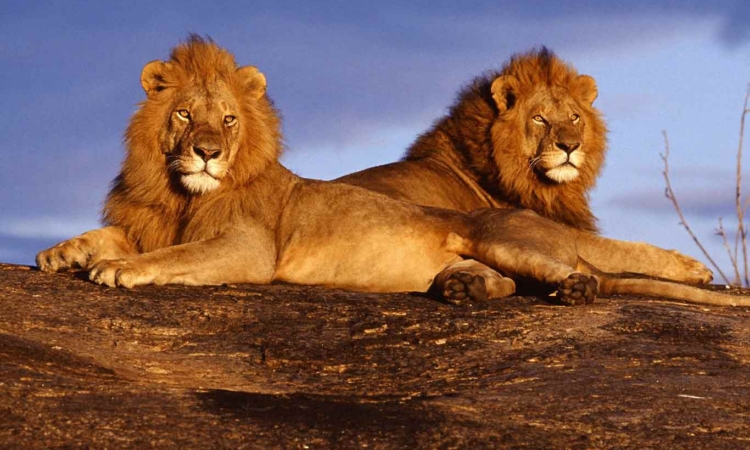
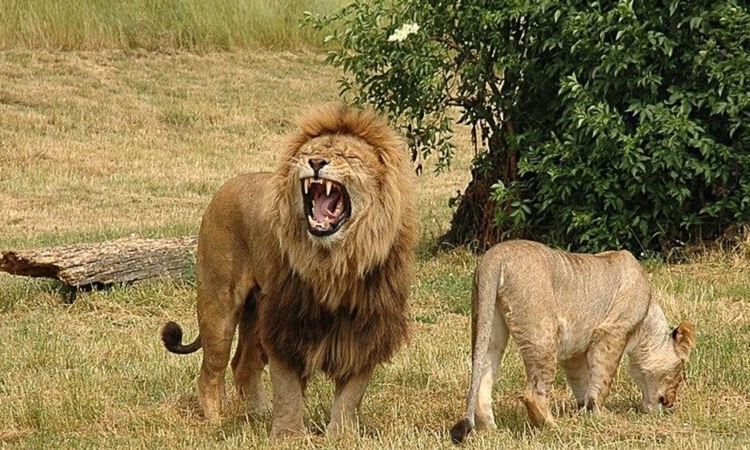
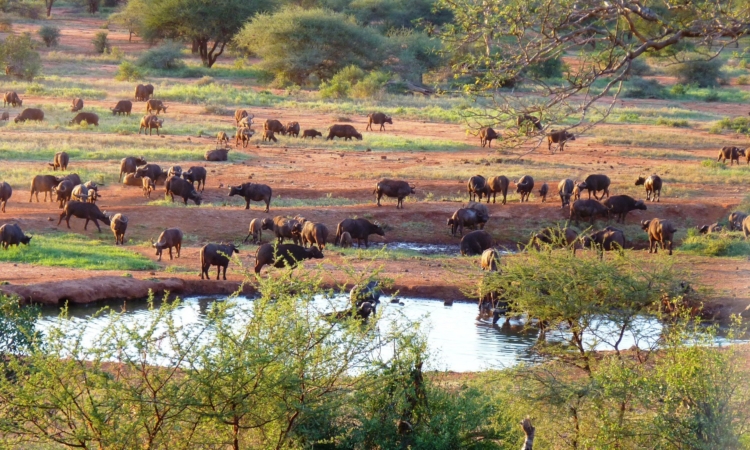
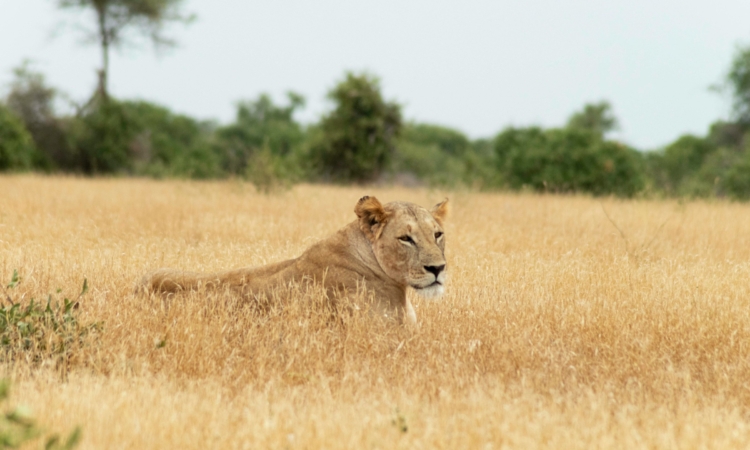
Other wildlife includes crocodiles, lions, buffaloes, giraffes, dik-diks, elands, kudus, zebras, leopards, and hartebeests.
Birds of Tsavo
Tsavo East is a birder’s paradise, hosting up to 500 bird species, while Tsavo West has 600 avifaunal species. Notable birds in the Tsavo ecosystem include vulturine guinea fowl, golden palm weavers, reed warblers, lesser kestrels, and red-bellied parrots. Other species to watch for include the Pangani longclaw, African finfoot, northern brownbul, red-backed shrike, slender-tailed nightjar, hornbills, rollers, martial eagles, skimmers, and black-faced sandgrouse.
Other Top Things To See
Other attractions to visit during a safari in Tsavo East and West National Parks include:
- The Aruba Dam: An 80-hectare man-made dam along the north bank of the Voi River, a seasonal river in Kenya. The dam attracts wildlife and birds, offering excellent wildlife viewing.
- The Yatta Plateau: The world’s longest lava flow, extending up to 300 kilometers with a width of 10 kilometers. It was formed after lava cooled and solidified and is a great spot for picnicking.
- Lugard Falls: Named after Captain Lugard, these falls feature stunning white water and beautiful rapids. The pools below are infested with crocodiles.
- Mudanda Rock: A popular place for wildlife to gather, especially during the dry season when animals head to water sources.
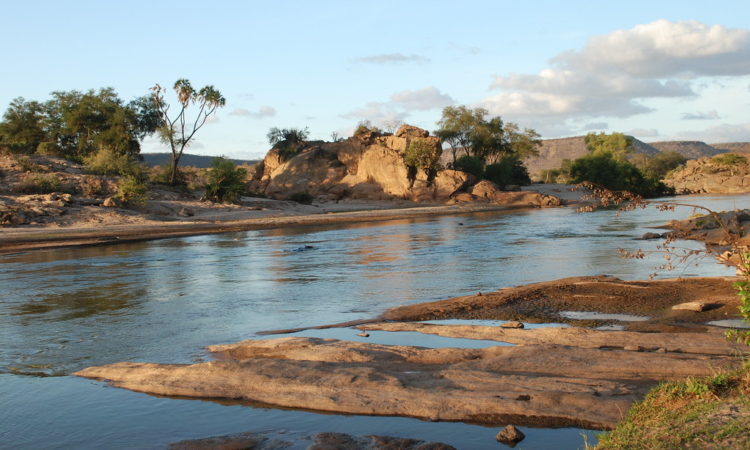
- The Galana River: One of Tsavo’s scenic rivers, formed by the merging of the Tsavo and Athi Rivers above Lugard Falls before emptying into the Indian Ocean.
- Shetani Lava Flow: Named after the Swahili word for “devil,” as locals believed the devil emerged from the ground when the lava began to flow. This site is located in Tsavo West.
- Chaimu Volcanic Crater: A unique viewpoint in Tsavo West with black lava stones, stunning scenery, and a view of the Chyulu Hills.
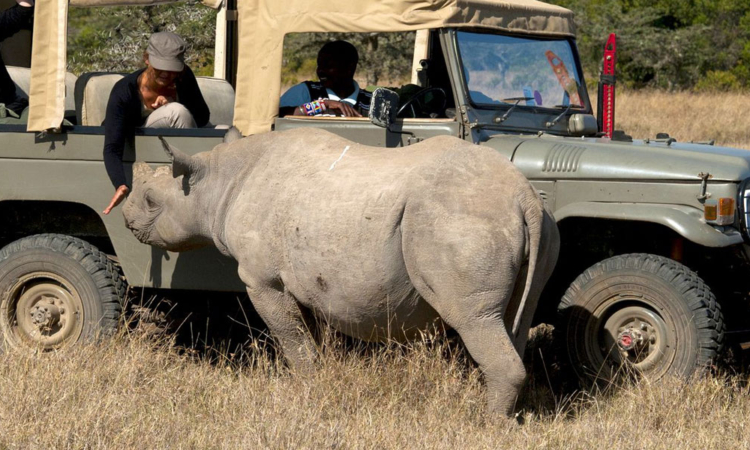
- Ngulia Rhino Sanctuary: Situated at the foothills of Ngulia Hill, this sanctuary protects the endangered black rhinos.
- Mzima Springs: A clear pool of water within Tsavo West, fed by underground streams. It is home to hippos and crocodiles.
Top Things to Do – Activities to do in Tsavo East and West National Parks
Game Drives/Game Viewing (Day & Night Game Drives)
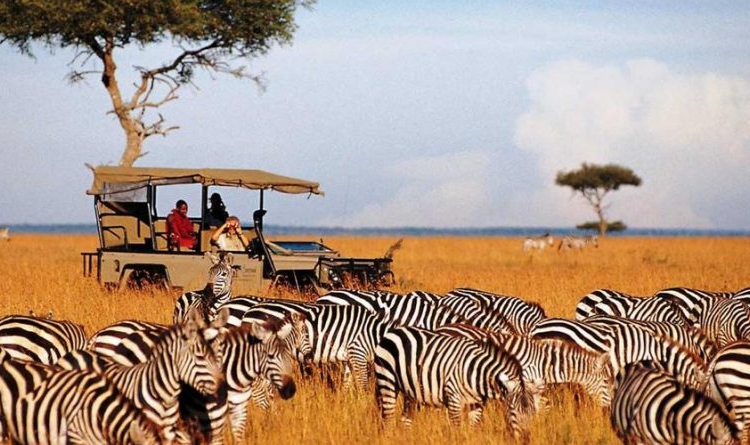
Wildlife viewing in Tsavo National Parks takes place at various times and is remarkably rewarding. It introduces you to the park’s wilderness, where you can enjoy sightings of wildlife and birds.
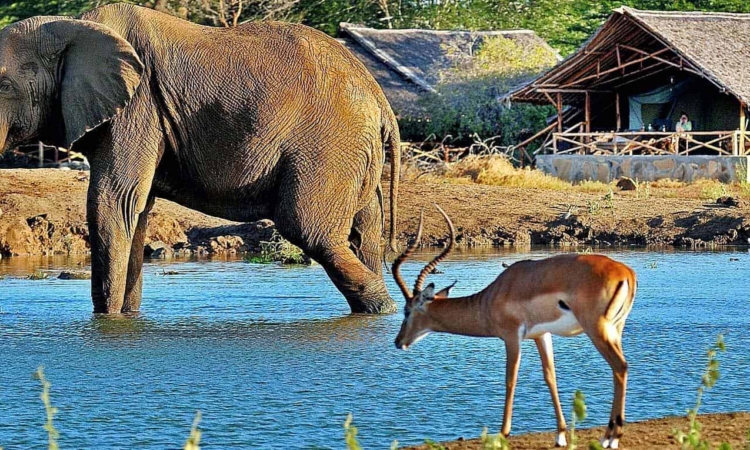
The species you can expect to see include impalas, elephants, zebras, buffaloes, elands, lesser gazelles, oryx, dik-diks, and others.
There are also nocturnal species and avifaunal species to look out for during game viewing in Tsavo West and East National Parks.
Bird Watching
A birding tour is the perfect way to identify a variety of bird species. In Tsavo West, Mzima Springs is an incredible spot to enjoy excellent bird-watching.
Among the many birds you can expect to identify here are the red-backed shrike, slender-tailed nightjar, lesser kestrel, pied kingfisher, African finfoot, vulturine guinea fowl, reed warbler, martial eagle, Pangani longclaw, northern brownbul, black-faced sandgrouse, hornbills, and others.
Nature Walks/Hiking
Get up close and personal with nature through a nature walk or hiking tour in Tsavo. This allows you to gain an in-depth understanding of the different habitats, wildlife species, birdlife, flora, and more.
Best Time to Visit Tsavo National Parks
Tsavo East and West National Parks are year-round safari destinations in Kenya. However, the ideal time to visit is during the dry season, which starts from May and continues through June, July, August, September, and October. These months are preferred for excellent game viewing.
Accommodation Options
Tsavo West National Park Accommodations:
- Luxury: Sarova Salt Lick Lodge, Taita Luxury Hotels, Finch Hatton’s Camp, Rhino Valley Lodge
- Mid-range: Lions Bluff Lodge, Severin Safari Camp
- Budget: Ngulia Safari Lodge, Lake Jipe Safari Camp, Voyager Ziwani Safari Camp
In and around Tsavo East National Park, the lodges include:
Sau Tsavo Camp, Loyk Tsavo Camp, Satao Camp Tsavo East, Hilltop Lodge, Sentrim Tsavo Camp, Kiboko Camp, Tsavo Safari Camp, and others.
Entry Fees to Tsavo National Parks
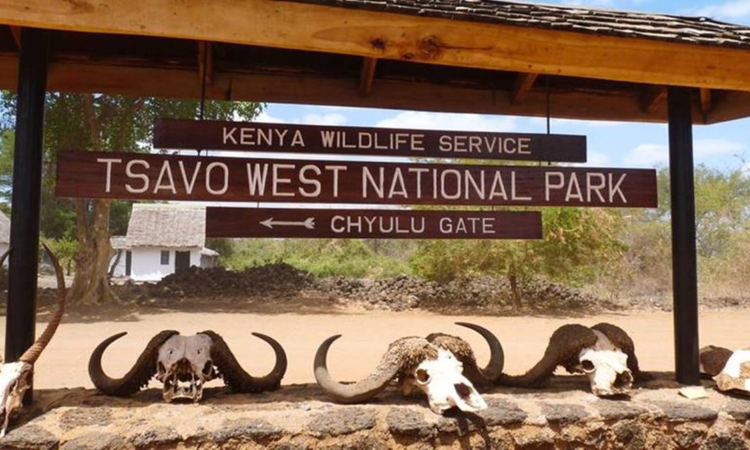
Entry fees to Tsavo East and West National Parks are set and collected by Kenya Wildlife Services, the organization responsible for protecting and conserving Kenya’s natural resources and wildlife.
Entry fees to the Tsavo Conservation Area can be paid at the bank in Kenya prior to your trip or at the park gate using a credit card (cash is not accepted). The charges vary depending on the visitor category:
- Foreign non-residents: Adults $52, Children $35, Students $35
- Foreign residents: Adults Ksh 1030, Children Ksh 515
- Kenya citizens: Adults Ksh 515, Children Ksh 215
The entry fees are valid for 24 hours.
Getting to Tsavo National Parks
Tsavo East and West National Parks are accessible via the Nairobi-Mombasa route. From Amboseli, Tsavo West is reachable within about 52 kilometers.
By air, you can fly to Jipe, Mtito Andei, or Maktau airfields on the Tsavo West side.
Frequently Asked Questions & Answers about Tsavo National Parks
Below are some of the frequently asked questions and answers about Tsavo East National Park and Tsavo West National Park.
- What is the Tsavo Conservation Area? It is Kenya’s largest conservation area, covering about 21,000 square kilometers.
- Which parks make up the Tsavo Conservation Area? It includes Tsavo East National Park and Tsavo West National Park.
- What separates Tsavo East and Tsavo West? They are divided by the Nairobi-Mombasa highway.
- Why is Tsavo famous? It is known for red elephants and its wild, natural environment.
- Can I combine a Tsavo safari with other trips? Yes. You can combine it with visits to Amboseli and Kenya’s coastal areas.
- How far is Tsavo from the coast? It is less than 100 kilometers from the coast.
- Is Tsavo crowded like Masai Mara? No. It has fewer visitors and a more quiet safari experience.
- How big is Tsavo East National Park? It is over 13,700 square kilometers, about nine times bigger than the Masai Mara.
- What are the main attractions in Tsavo East? Mudanda Rock, Yatta Plateau, and red elephants.
- What special animals live in Tsavo East? Red elephants, desert warthogs, Peter’s gazelles, and hirola antelopes.
- How big is Tsavo West National Park? It covers 9,065 square kilometers.
- What is Tsavo West known for? Its volcanic hills, rocky scenery, Mzima Springs, and wildlife.
- Which animals are easier to see in Tsavo West? Maasai giraffes, fringe-eared oryx, and klipspringers.
- Where are Tsavo parks located? Between Nairobi and Mombasa, near the Tanzanian border.
- When was Tsavo National Park created? It was established in 1949.
- How many elephants were once in Tsavo? About 45,000 elephants lived here in the past.
- How many elephants are in Tsavo now? Around 11,000 elephants remain today.
- What other wildlife can I see in Tsavo? Crocodiles, lions, buffaloes, giraffes, zebras, leopards, and more.
- How many bird species are in Tsavo? Tsavo East has about 500 species, Tsavo West about 600.
- What birds can I spot in Tsavo? Vulturine guinea fowl, martial eagle, hornbills, kingfishers, and more.
- What is the Aruba Dam? A man-made dam in Tsavo East that attracts animals and birds.
- What is the Yatta Plateau? The world’s longest lava flow, stretching 300 kilometers.
- What are Lugard Falls? Waterfalls with strong rapids and crocodile-filled pools.
- What is the Shetani Lava Flow? A large lava field in Tsavo West, linked to local legends.
- What is Mzima Springs? A pool of clear water with hippos and crocodiles in Tsavo West.
- What activities can I do in Tsavo? Game drives, bird watching, and nature walks.
- When is the best time to visit Tsavo? During the dry season from May to October.
- What luxury lodges are in Tsavo West? Sarova Salt Lick Lodge, Finch Hatton’s Camp, and others.
- How much is the entry fee for foreign adults? $52 per adult for 24 hours.
- How can I get to Tsavo? By road via the Nairobi-Mombasa route or by flying to airstrips like Jipe, Mtito Andei, or Maktau.