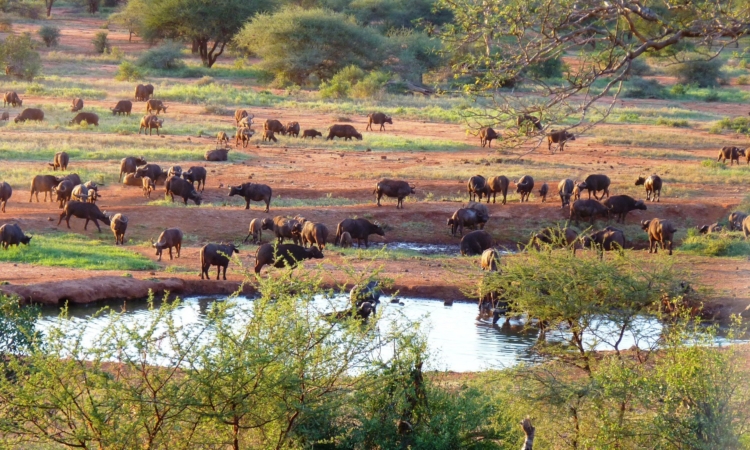
Poaching in Tsavo East National Park – Before the 1980s, poaching was one of the biggest problems in Tsavo East National Park. Many wild animals were killed illegally for their horns, tusks, skins, and meat. This led to a major decline in the number of wildlife species in the park. Some animals even disappeared completely.
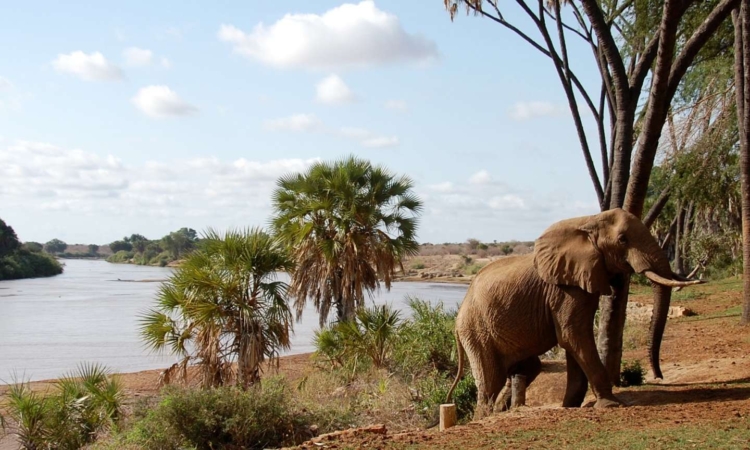
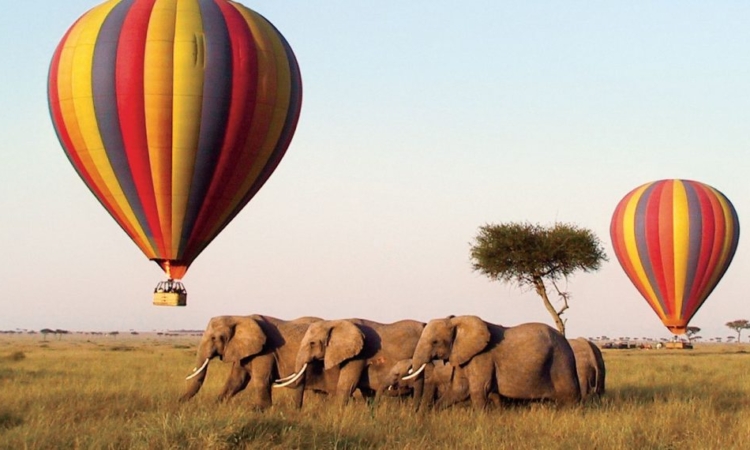
Today, Tsavo East is known for its rich wildlife and is home to some of the largest herds of elephants in Kenya. These elephants are now one of the park’s main attractions.
However, this was not always the case. Years of heavy poaching caused great damage to the park’s ecosystem, and it has taken decades of conservation work to restore it.
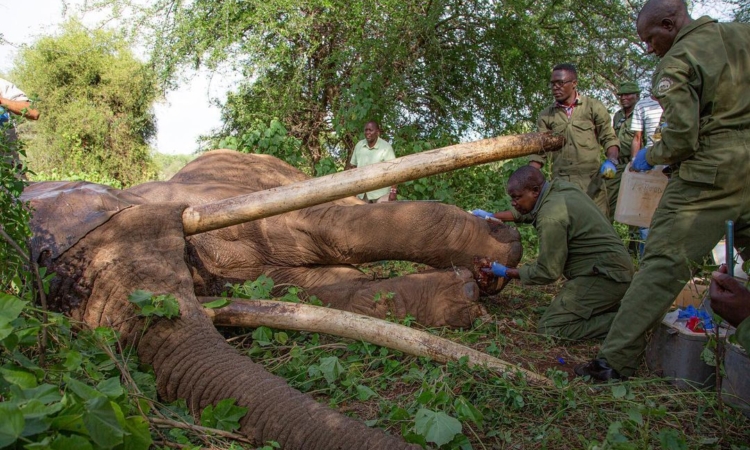
Since the 1990s, there have been strong efforts to protect the park’s wildlife. Anti-poaching patrols were increased, and more rangers were trained and equipped to guard the park.
Areas that were once dangerous because of poachers have now become safe for visitors. For example, Observation Hill, which used to be a hub for poaching, is now a popular viewpoint where tourists can watch animals in the wild.
The involvement of local communities has been a key part of this success. Many local people now work in the park as rangers, guides, and staff at lodges.
This provides them with income and reduces the temptation to engage in illegal wildlife trade.
Around the park, there are several community projects that visitors can support. These projects include schools, craft-making, beekeeping, and small farming initiatives.
By supporting these efforts, tourists help improve the lives of local people. When communities have steady sources of income, they are less likely to return to the park to reclaim land or harm wildlife.
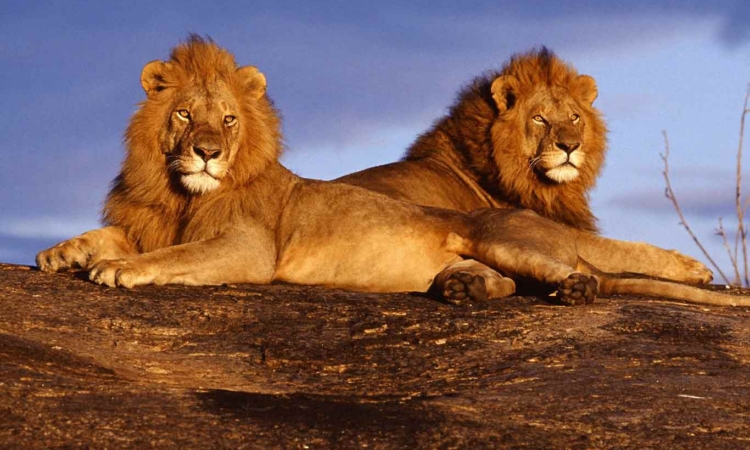
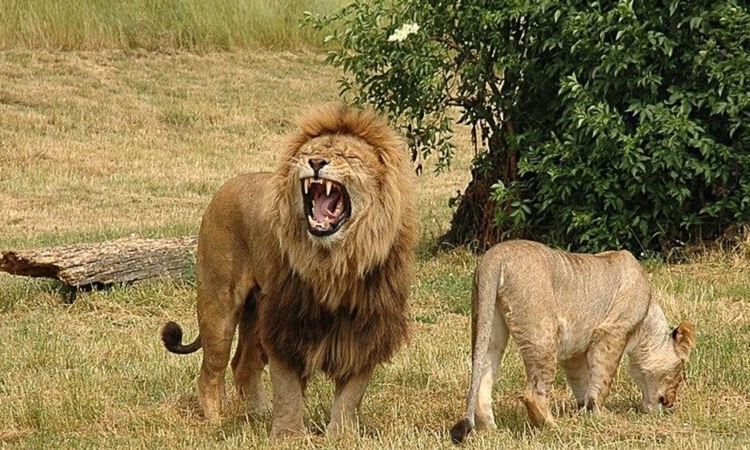
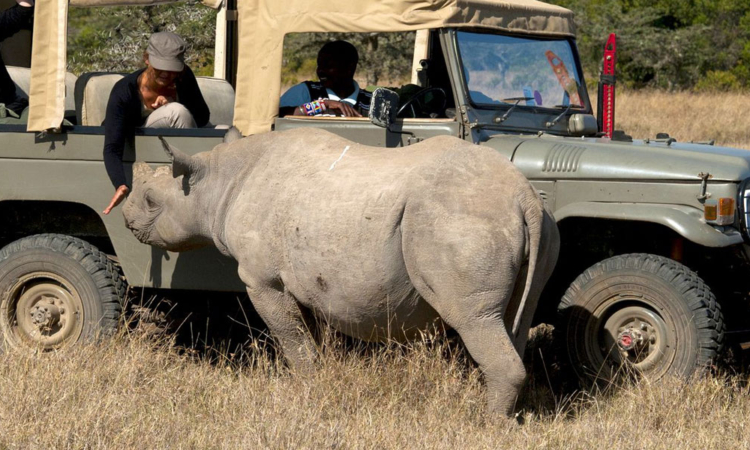
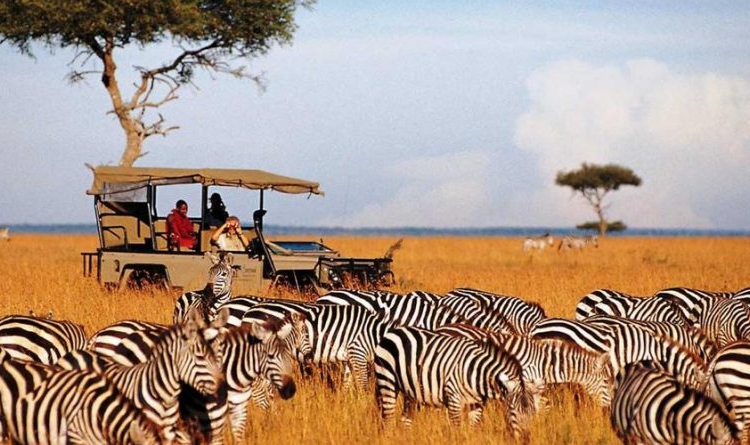
Visiting Tsavo East is not just about seeing elephants, lions, giraffes, and other animals. It is also an opportunity to learn about conservation and take part in protecting Kenya’s natural heritage.
By choosing responsible tour operators and supporting local projects, visitors can help ensure that the park remains a safe home for wildlife for many years to come.