
The Voi River is located in the coastal province of Kenya, East Africa. It begins in the Taita Hills, a mountainous area known for its natural springs.
From there, it flows through the town of Voi, passes across Tsavo East National Park, and eventually reaches the Kilifi Sea.
The river is about 210 kilometers (130 miles) long. During the dry season, only the last 80 kilometers have flowing water, while the upper sections dry up.
At its lower end, the Voi River meets the Goshi River. The Goshi River flows through a narrow passage and under a bridge between Shauri Moyo and Kilifi Beach.
This point forms Kilifi Creek, and the distance from the river mouth to the open sea is about 3 kilometers (1.86 miles).
The Voi River plays an important role in the Tsavo Conservation Area, also called the Tsavo ecosystem.
This large conservation area in southern Kenya includes Tsavo West National Park, Tsavo East National Park, South Kitui National Reserve, Chyulu Hills National Park, Amboseli National Park, and the Galana Conservancy.
The Tsavo Conservation Area covers around 42,000 square kilometers, with over 25,000 square kilometers protected for wildlife. This makes it more than half of Kenya’s total protected land.
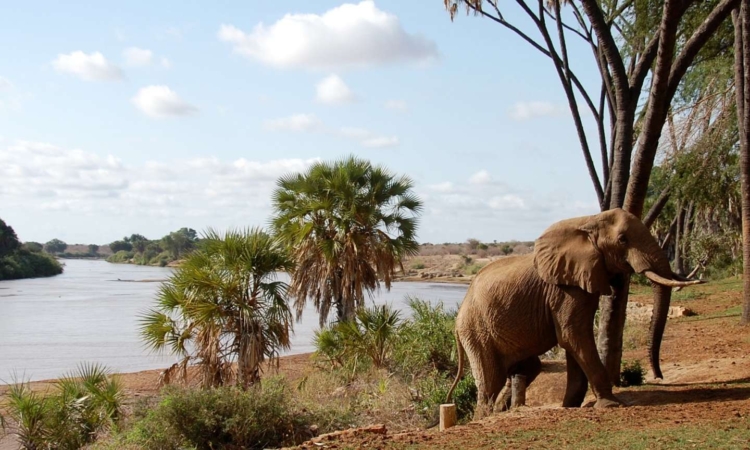
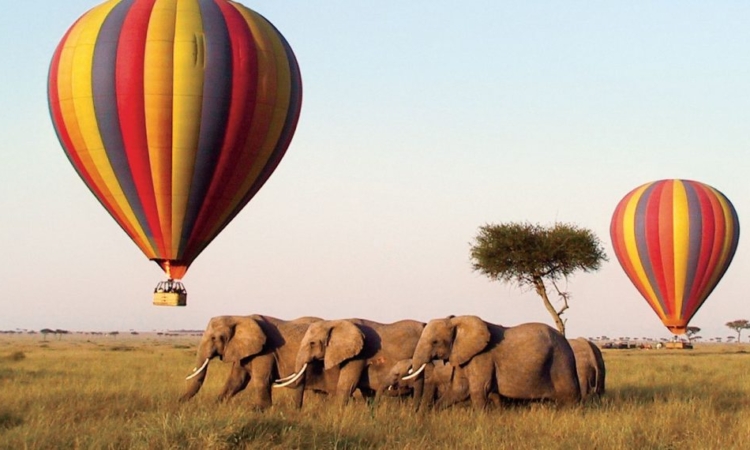
This region is home to the largest elephant population in the country, and possibly in Africa, with about 40% of Kenya’s elephants living here.
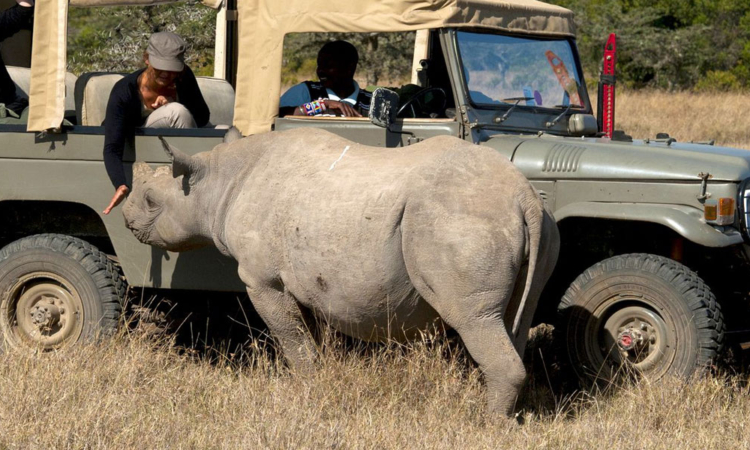
It also has over 18% of Kenya’s endangered black rhinos, most of which are protected in the Ngulia Rhino Sanctuary in Tsavo National Park.
The elephant population is slowly increasing at about 4–5% each year, even though poaching remains a concern. Wildlife trade incidents still occur, and the year 2011 was one of the worst for illegal killings in recent times.
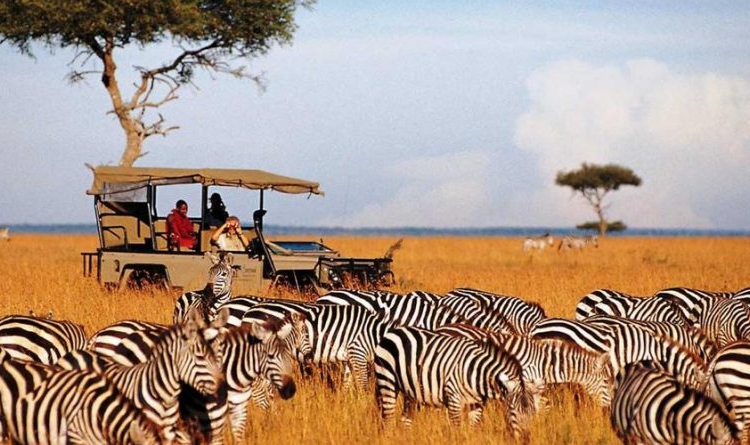
Other rare species in the conservation area include the critically endangered Hirola antelope and the endangered Grevy’s zebra.
Conservation organizations and the Kenya Wildlife Service work hard to protect these animals, improve security, and promote breeding programs.
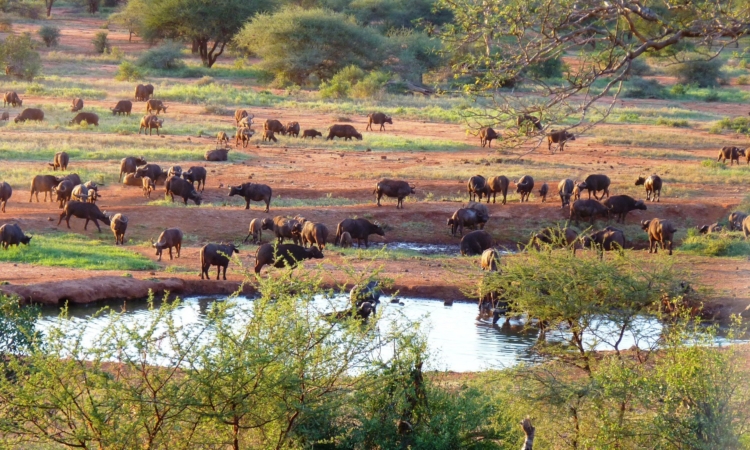
The Voi River, along with the surrounding parks, is not only important for wildlife survival but also for tourism, as it provides water to many animals and supports the beauty and life of Tsavo’s ecosystem.