
Anyone visiting Voi for the first time will notice its warm temperatures, open landscapes, and welcoming atmosphere. The kindness of the local people is enough to make visitors feel at ease. Voi has been receiving tourists for many years, and Kivuiwa Mendwa is remembered as one of the first people to offer hospitality in the area.
The settlement was also visited by coastal traders who could not travel far inland, such as the Kivui. The land was peaceful, with a river flowing through it and hills in the distance. Attracted by the area’s beauty, Kivui settled here in the early 19th century. The village’s role as a trading post grew over time, and its name, Voi, is believed to have come from Kivui’s name.
Major growth in Voi began almost a century later with the construction of the Mombasa-Nairobi Railway. As work on the railway progressed, laborers moved into the area, and several camps were set up. Construction continued until March 1898, when the railway reached the Tsavo River at the foot of Voi.
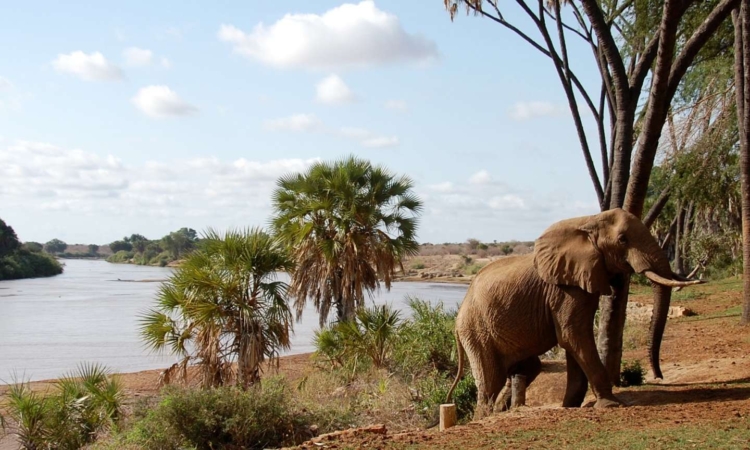
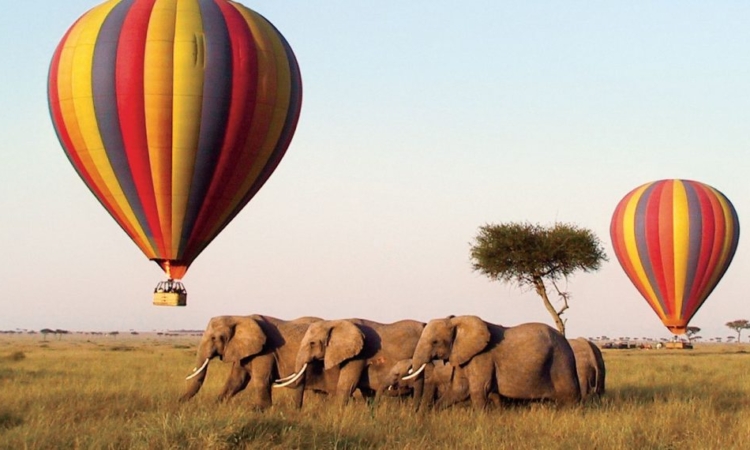
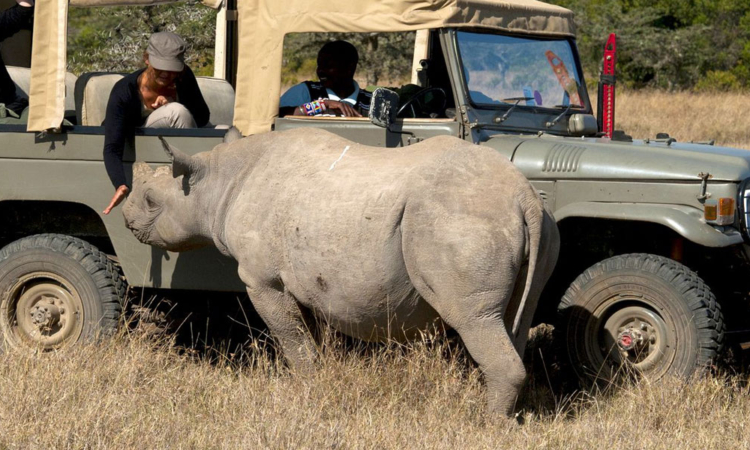
The Tsavo Conservation Area has the largest elephant population in the region and possibly in all of Africa. About 40 percent of Kenya’s elephants live here. It is also home to more than 18 percent of the rare and endangered black rhinos, most of which are found in the Ngulia Rhino Sanctuary within Tsavo National Park. The elephant population is slowly increasing at a rate of about 4 to 5 percent each year, despite ongoing concerns about poaching.
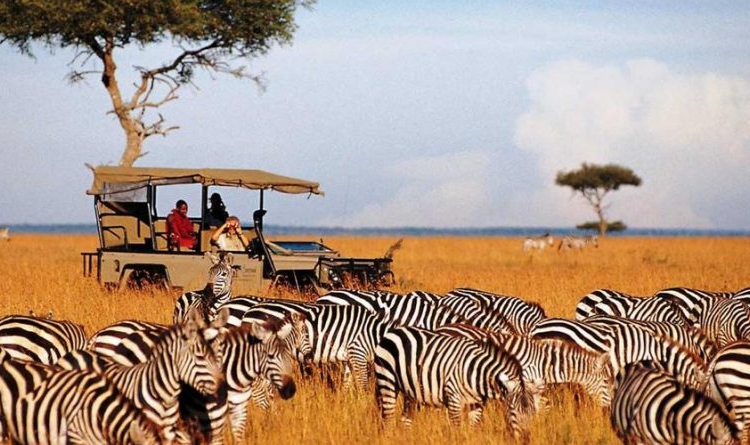
Although poaching is illegal, cases of illegal wildlife trade have been reported in the Tsavo Conservation Area, with 2011 being the worst year in recent times. The area also protects other rare species such as the critically endangered Hirola and the endangered Grevy’s zebra. Strong efforts are being made to improve the conservation of these species.
The Tsavo Conservation Area is one of the most visited in Kenya. Most visitors come to see Tsavo East National Park, Tsavo West National Park, and Amboseli National Park.