The Chyulu Hills are a mountain range in Makueni District, southeastern Kenya. They cover a volcanic area stretching over 100 kilometers, with the highest peak reaching 2,188 meters above sea level.
Chyulu Hills National Park is part of the larger Tsavo West National Park. The Chyulu Hills, sometimes called the Green Hills, are among the youngest mountain ranges in the world, having formed only about 500 years ago. The volcanic scenery is attractive, but the area faces challenges such as livestock grazing and poaching.
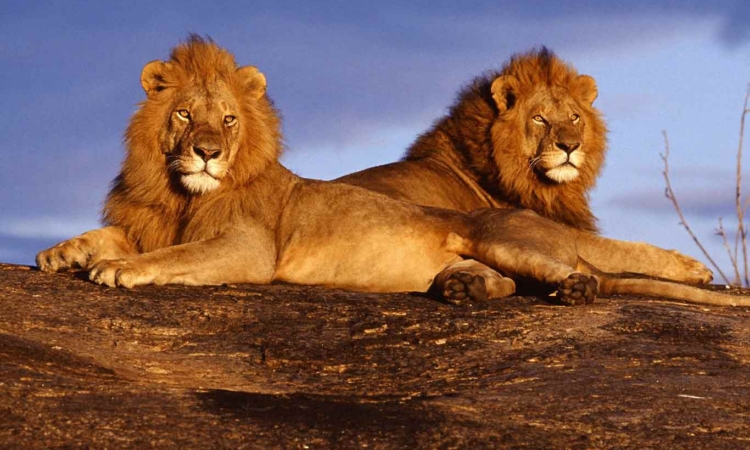
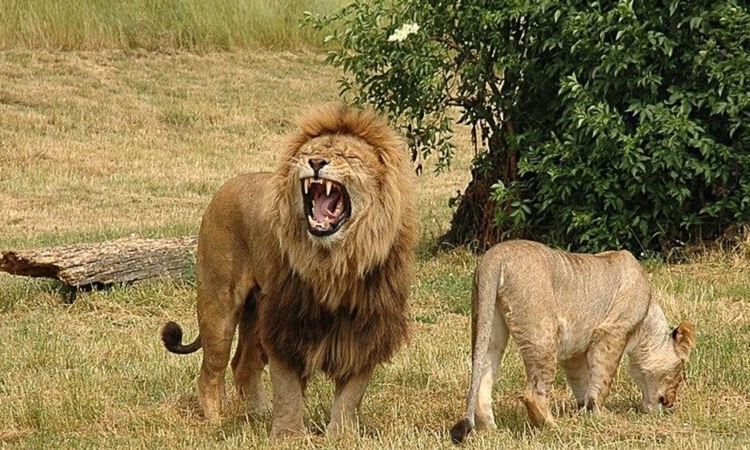
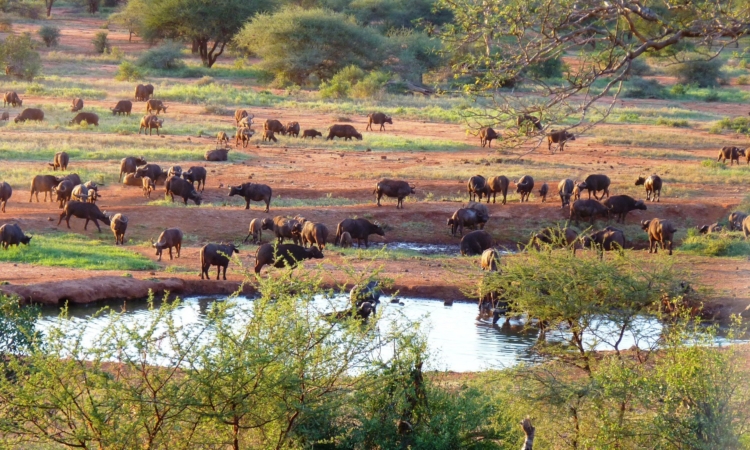
Wildlife in the park is limited, but one of the main attractions is the Upper Leviathan Cave, one of the longest lava tubes in the world at 11.5 kilometers. The main gate to the park is in Kibwezi, Makueni District.
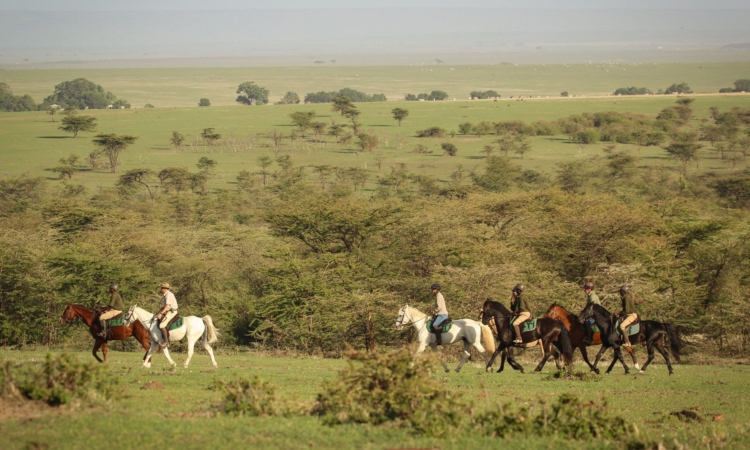
There is no accommodation inside the park, but two exclusive lodges in the Maasai community concessions on the slopes of the Chyulu Hills offer lodging and various activities.
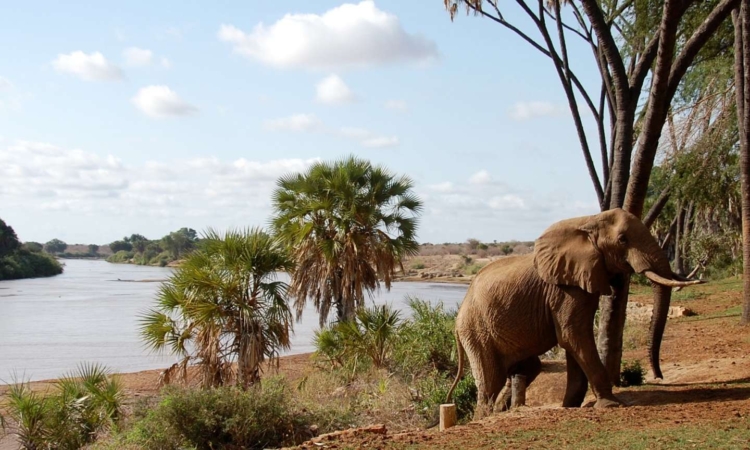
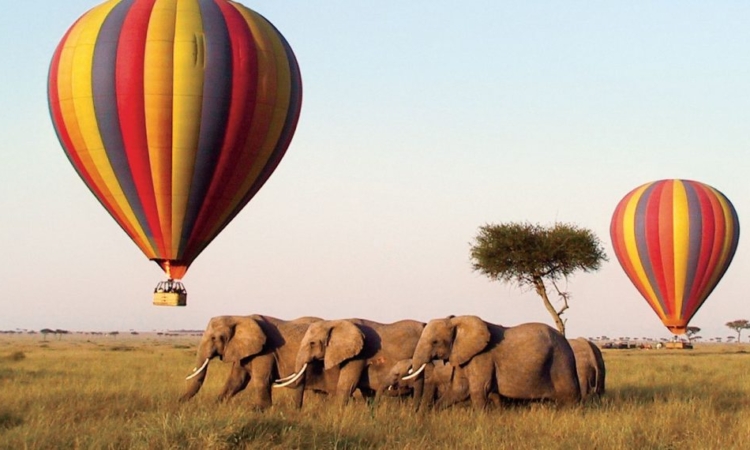
The wider Tsavo Conservation Area, which includes the Chyulu Hills, has the largest elephant population in the region, possibly in all of Africa. About 40 percent of Kenya’s elephants live here.
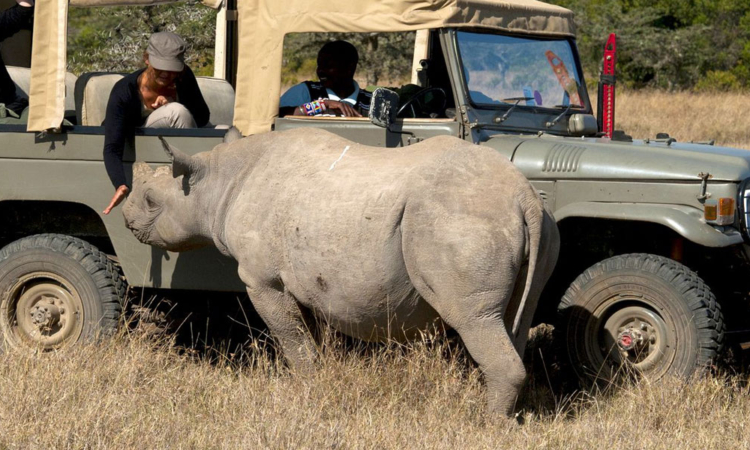
The area is also home to more than 18 percent of Kenya’s rare and endangered black rhinos, most of which are protected in the Ngulia Rhino Sanctuary in Tsavo National Park.
Elephant numbers are increasing at a rate of 4 to 5 percent per year despite the ongoing threat of poaching.
Although poaching is illegal, cases of wildlife trafficking still occur, with 2011 being one of the worst years in recent history.
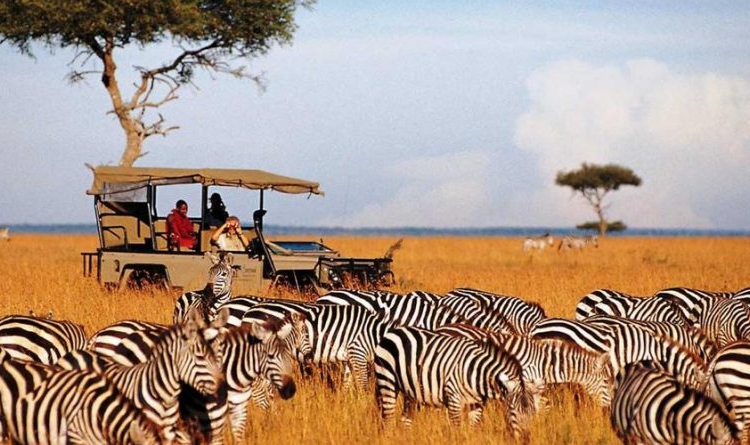
The conservation area also protects other rare species such as the critically endangered Hirola and the endangered Grevy’s zebra. Conservation efforts continue to focus on protecting these animals.
The Tsavo Conservation Area is one of the most visited wildlife regions in Kenya. Most visitors go to Tsavo East National Park, Tsavo West National Park, and Amboseli National Park.
Tsavo East and Tsavo West are separated by the Nairobi – Mombasa Highway, the Uganda Railway, and the Mombasa–Nairobi Standard Gauge Railway.
Special wildlife tunnels have been built under these routes to help animals move between the parks, but elephant movement between them has already declined.
It is feared that the newly built Nairobi Expressway may affect this movement further.