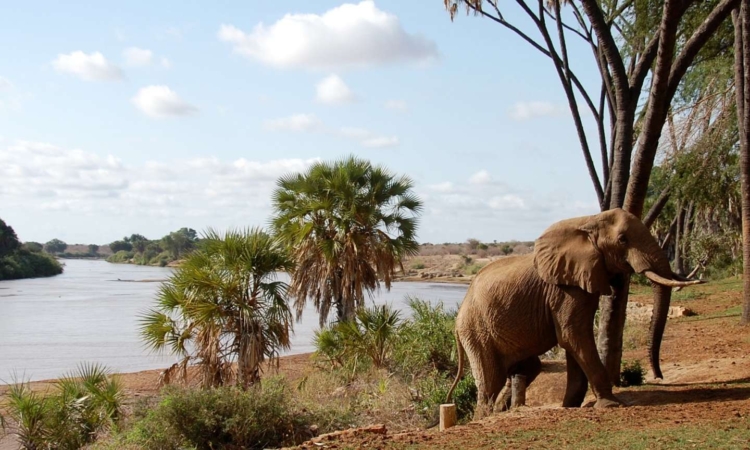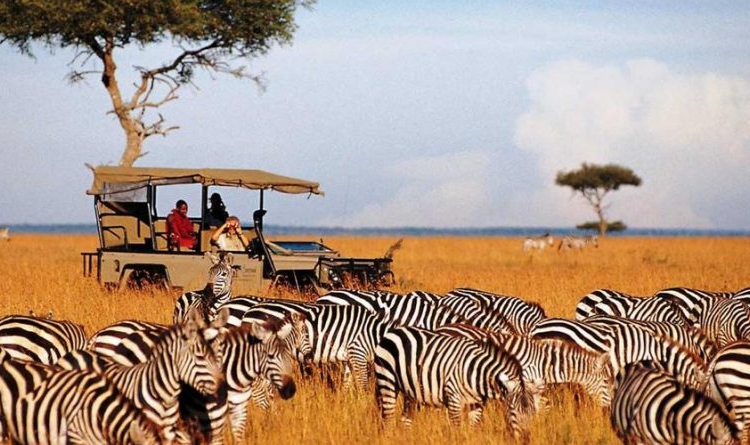
Wildlife safaris in Tsavo are ideal for activities such as picnics, camping, and walking safaris. The park is home to many animals and bird species, giving visitors a rich wildlife experience in one location. A flight from Nairobi to Tsavo takes about 30 to 40 minutes.
One of the most popular attractions in Tsavo is the flamingos. You can also see many special bird species such as the African Fish Eagle, Hildebrandt’s Francolin, Black Cuckoo, Levaillant’s Cuckoo, African Cuckoo, Cape Teal, Hottentot Teal, Pelicans, Little Rock-Thrush, Pied Kingfisher, Mocking Cliff Chat, White-browed Robin-Chat, Common Greenshank, Pied Avocet, Kittlitz’s Plover, Blacksmith Plover, Brimstone Canary, Coqui Francolin, Montane Nightjar, Red-billed Teal, Dusky Nightjar, and Pearl-spotted Owlet.
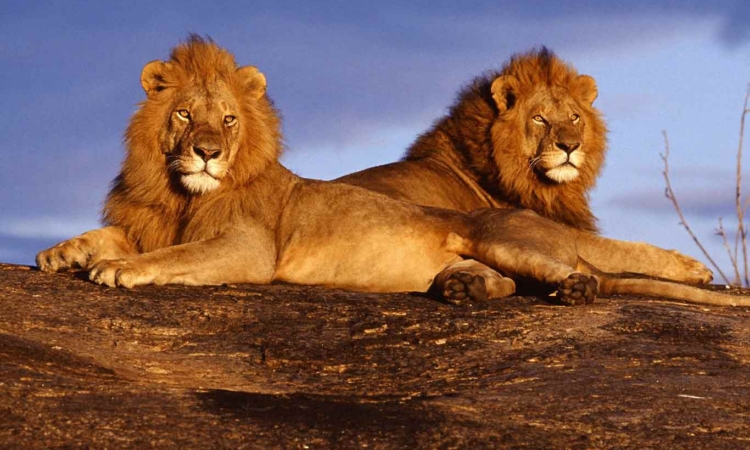
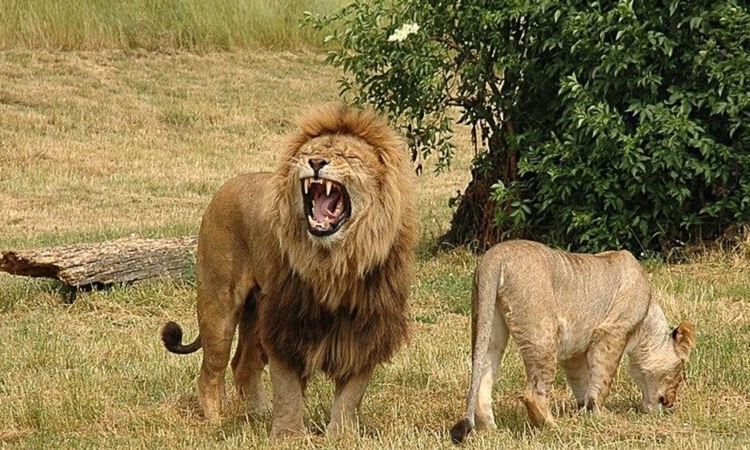
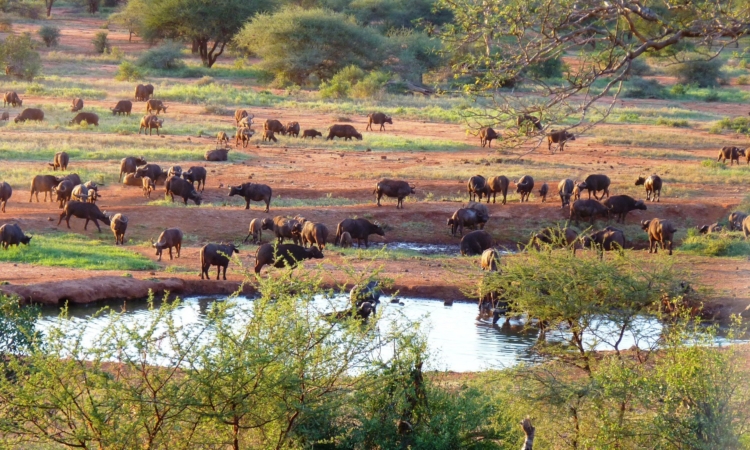
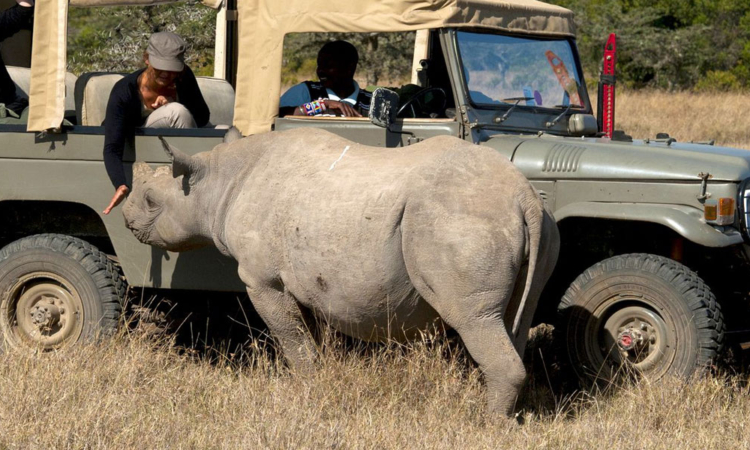
The park is not only good for bird watching. There are over 50 species of other wildlife. Some of the animals you may see include black and white rhinos, Rothschild’s giraffes, waterbucks, impalas, baboons, lions, leopards, colobus monkeys, buffaloes, hippos, and cheetahs.
Tsavo lies at an elevation of about 180 to 1,000 meters above sea level. It is located in the southwestern region of Kenya, about 240 kilometers from Nairobi. The eastern part of Tsavo is dry because it lies within the Taru Desert, while the western side is wetter and has thick vegetation.
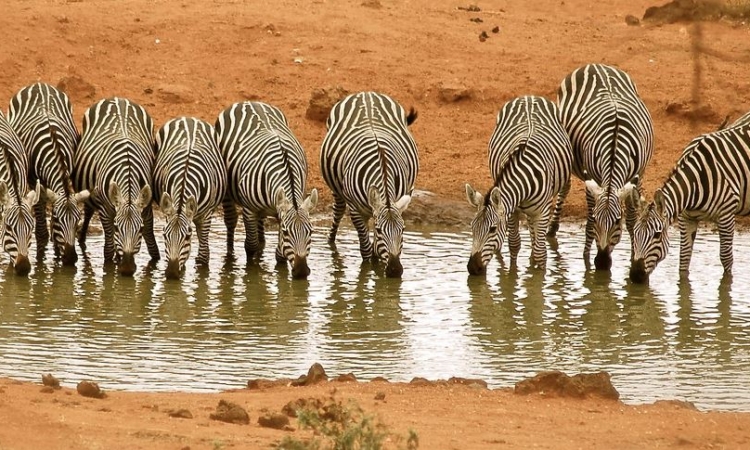
Some of the rare and endangered species found here include the black rhino, hirola (Africa’s rarest antelope), reticulated giraffe, Grevy’s zebra, and African wild dog.
The area is also a good habitat for the pangolin, an animal highly targeted in illegal wildlife trade. Other mammals include cheetahs, zebras, gazelles, impalas, lesser kudus, and oryx.
Tsavo is also important for bird conservation. Its hills are recognized as an Important Bird Area (IBA) with over 300 recorded bird species.
Endemic species here include the endangered Taita White-eye and the critically endangered Taita Thrush and Taita Apalis, with only about 150 individuals left in the world.