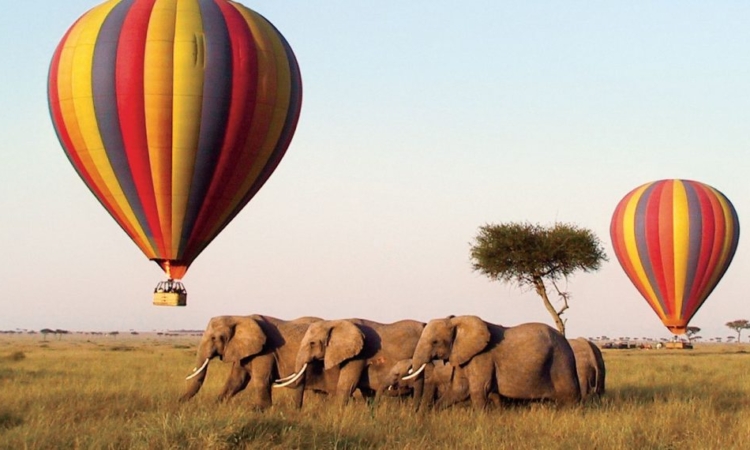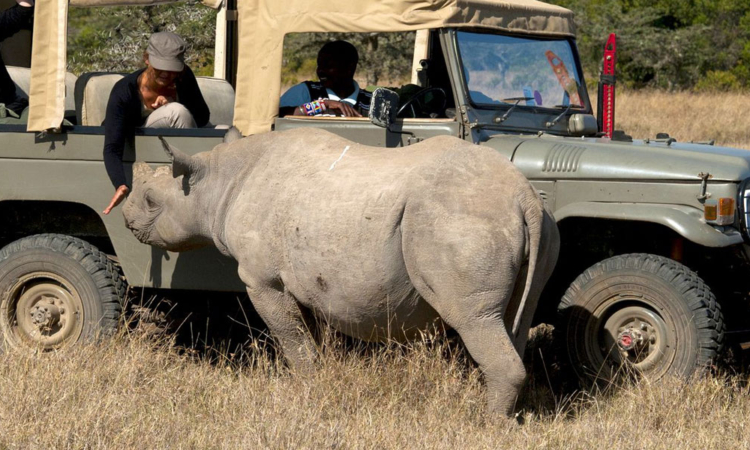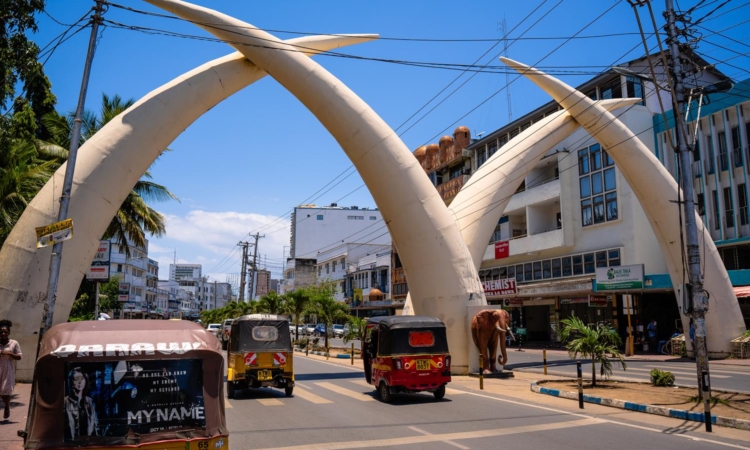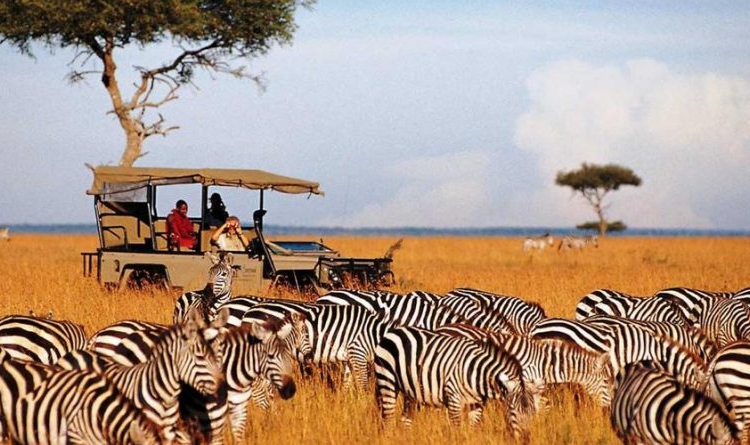

The Tsavo National Parks together cover more than 22,000 km², making the Tsavo Conservation Area the largest protected area in Kenya.
Both parks were created in April 1948, making them the oldest national parks in the country.
They are divided by the A109 highway and the railway line that runs from Mombasa to central Kenya.
Facts About Tsavo East National Park
- Located in South Eastern Kenya, next to Tsavo West National Park.
- The largest national park in Kenya, covering 13,747 km².
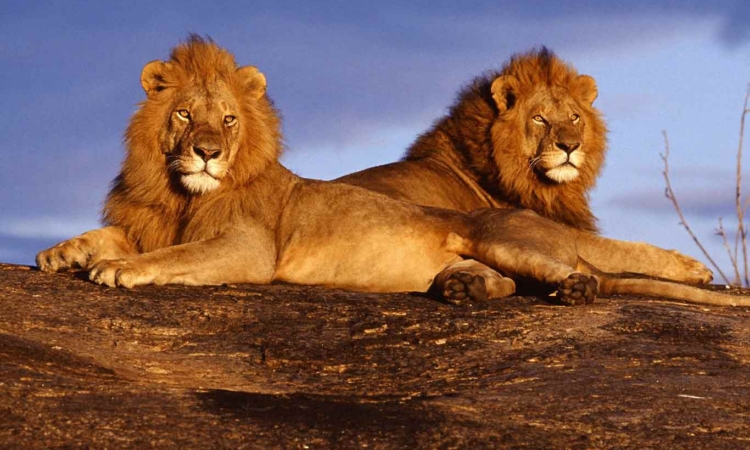
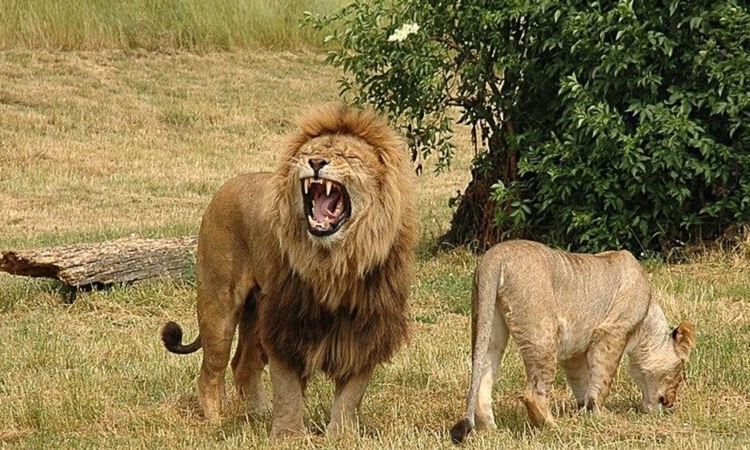
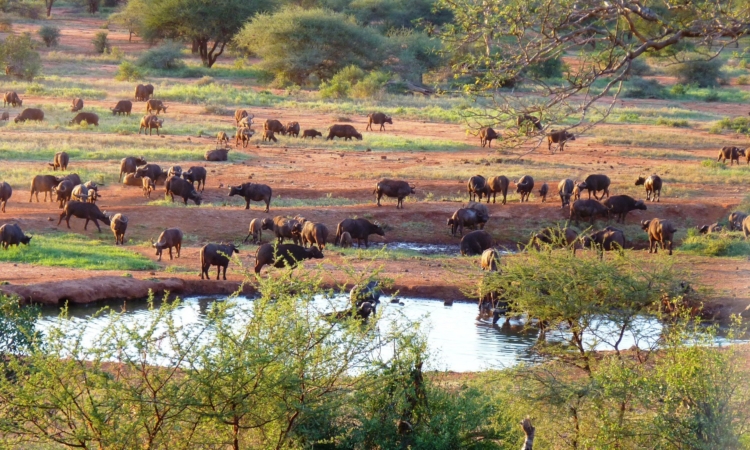
- Home to the “Big Five”: lion, rhino, elephant, buffalo, and leopard.
- Accessible by road via the Nairobi–Mombasa Road (A109) or by air through airstrips such as Aruba, Sala, and Voi. Flights can be chartered from Wilson Airport in Nairobi or from coastal airports.
- Contains the world’s longest lava plateau, the Yatta Plateau.
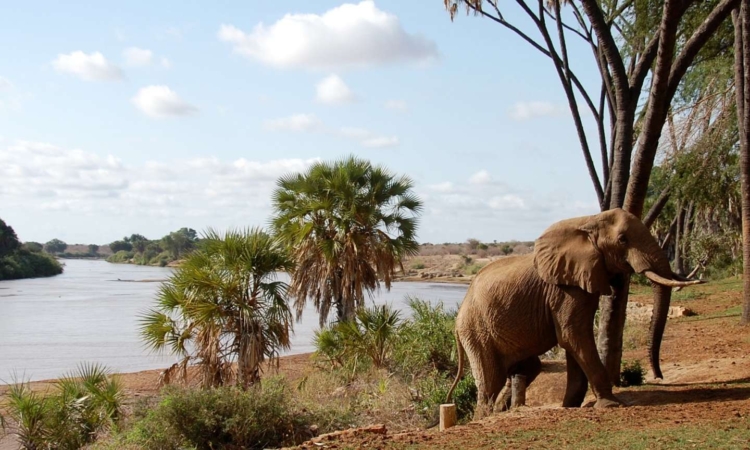
- The landscape includes open grasslands, rivers (Athi, Tsavo, Galana, Voi), baobab trees, rock outcrops, and riverine vegetation.
- Can be visited year-round, but the dry season (June–September) is best for clear views and easier wildlife spotting.
- Over 400 bird species make it a good place for bird watching.
- Main attractions include the Galana River, Lugard Falls, Aruba Dam, and Mudanda Rock.
Facts About Tsavo West National Park
- Located in South Eastern Kenya, near the Tanzania border.
- The second-largest park in Kenya, covering 9,065 km².
- Also home to the “Big Five.”
- Best visited in the dry season (June–September) for good visibility and concentrated wildlife near water sources.
- The landscape includes Savannah grasslands, acacia woodlands, volcanic hills, lava flows, rocky outcrops, lakes, springs, swamps, and extensive woodlands.
- Has more greenery compared to Tsavo East, which is drier.
- With over 600 bird species, it is an excellent birding location.
- Famous for Mzima Springs, a key attraction.
- Plays an important role in wildlife conservation.
The parks are also known for the story of the “Man-Eaters of Tsavo,” lions that killed railway workers in the late 1890s.
Today, both parks are safe to visit, with Kenya Wildlife Service enforcing rules to protect visitors and wildlife.
Book Now