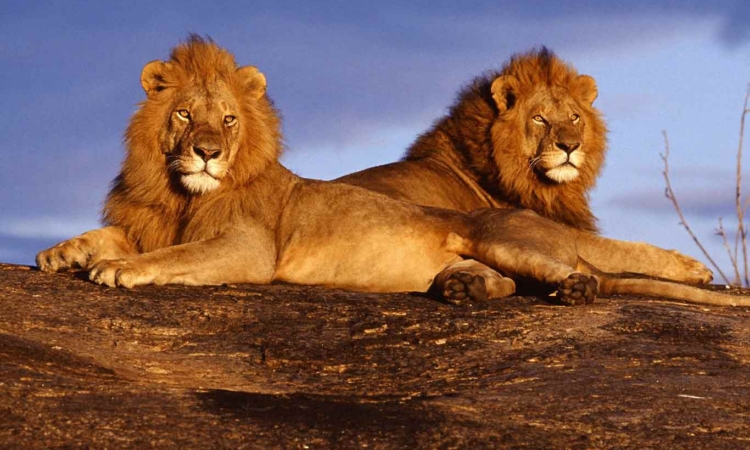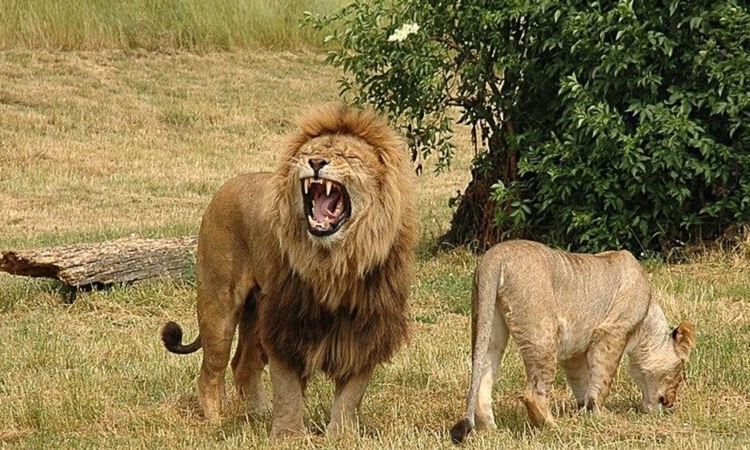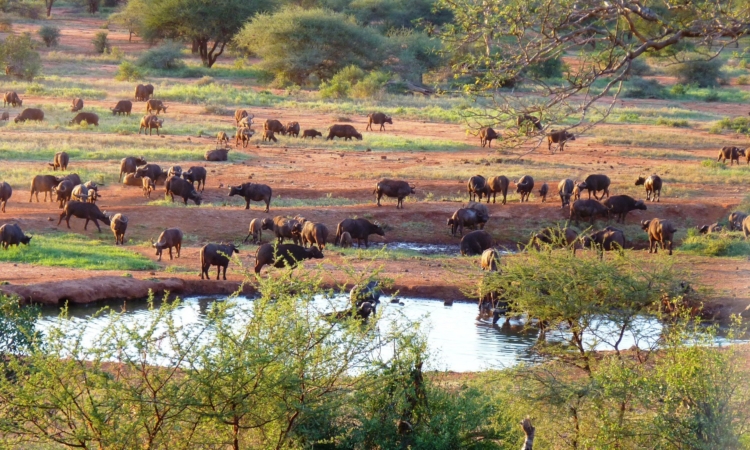

Cheetahs in Tsavo – Tsavo National Park is home to a small but important population of cheetahs. These animals face challenges such as loss of habitat and a decrease in prey numbers. Unlike some other predators, cheetahs often avoid areas with a high density of prey. This is because such areas usually attract larger predators like lions and hyenas, which can be dangerous to them.
Because of this, spotting a cheetah in Tsavo is not guaranteed. Safari visitors should not expect to see them on every trip. While this may be disappointing, it could be one reason why cheetahs continue to survive in Tsavo. By avoiding areas with many large predators, they can raise their cubs more safely. In some regions, cheetahs even outnumber other big cats despite competition from predators.
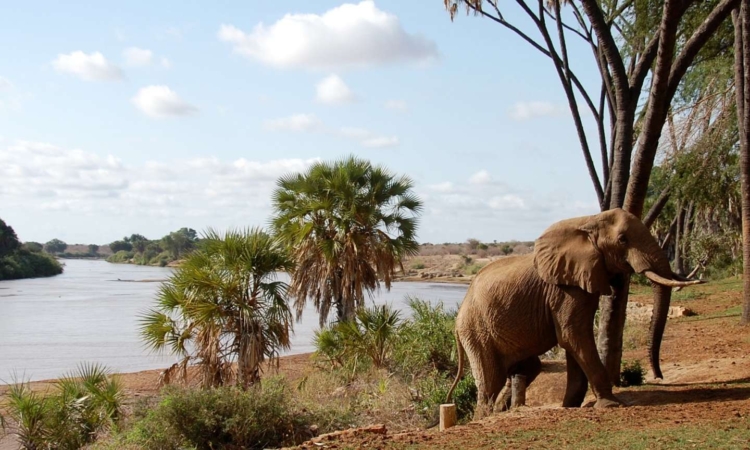
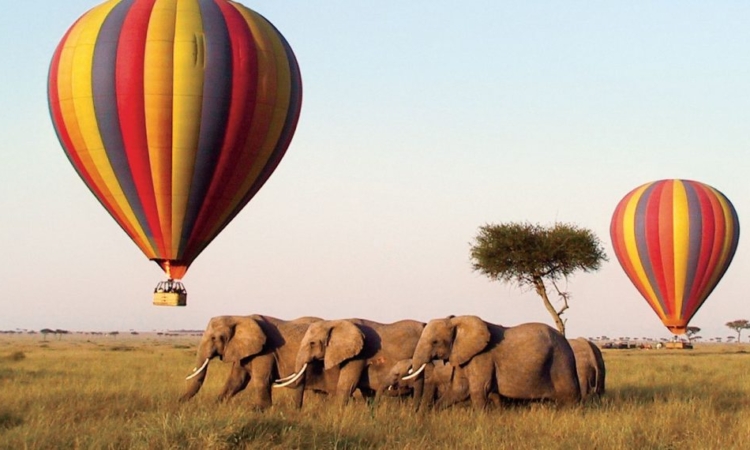
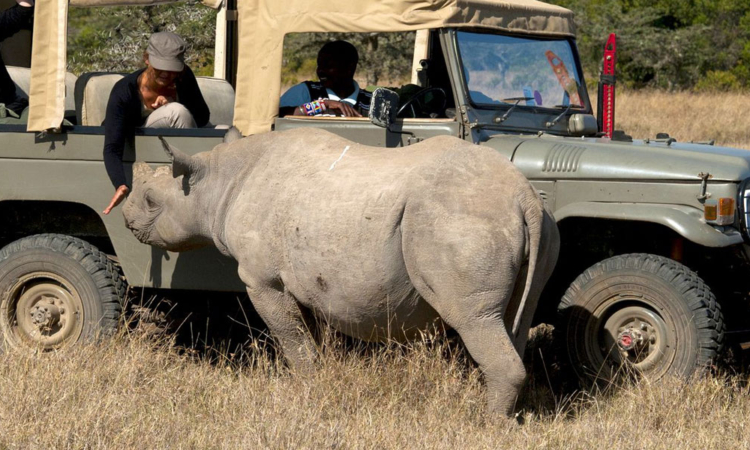
The Tsavo Conservation Area is not only home to cheetahs but also supports the largest elephant population in the region and possibly in Africa. Around 40 percent of Kenya’s elephants live here. It is also home to more than 18 percent of Kenya’s rare and endangered black rhinos. Most of these rhinos are protected in the Ngulia Rhino Sanctuary within Tsavo National Park.
The elephant population in Tsavo has been growing at about 4 to 5 percent each year, despite ongoing threats from poaching. Poaching remains illegal, but cases of wildlife trafficking have been reported, with 2011 being one of the worst years in recent times.
The conservation area also shelters other rare species such as the critically endangered Hirola antelope and the endangered Grevy’s zebra. Conservation programs focus on protecting these species, improving their habitats, and increasing their numbers.
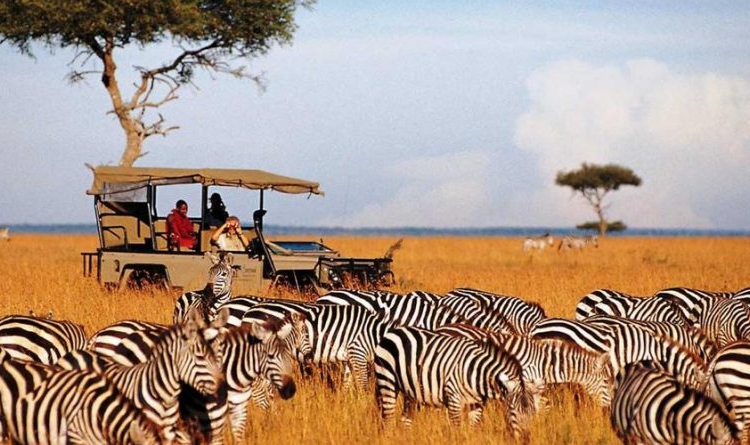
The Tsavo Conservation Area is one of the most visited wildlife destinations in Kenya. Most tourists visit Tsavo East National Park, Tsavo West National Park, and nearby Amboseli National Park. Together, these parks offer visitors a chance to experience the African wilderness and see a variety of wildlife, including, if lucky, the elusive cheetah.